Feature-News
The Finnish Winter War: A Story of Survival and Sisu
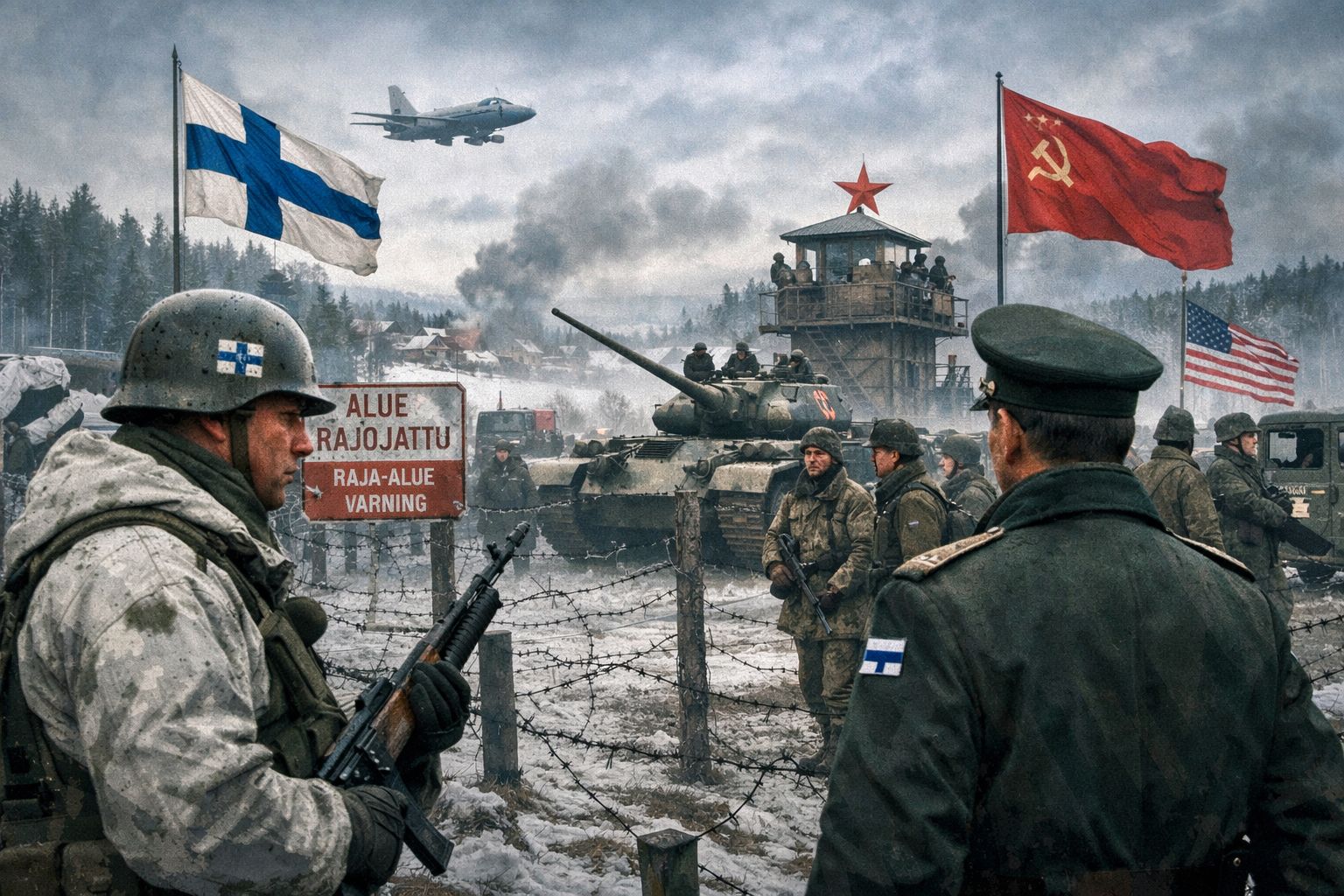
In the early winter of 1939, as snow buried forests and lakes beneath layers of ice, Finland found itself standing alone. A young nation of barely four million people was suddenly facing one of the most powerful militaries on Earth. What followed was not just a war of weapons and strategy, but a test of endurance, fear, and unbreakable will.
On 30 November 1939, the Soviet Union invaded Finland without a declaration of war. Bombs fell on cities, villages burned, and families fled into the frozen countryside. The Soviet leadership expected a quick victory. Instead, they collided with something they had underestimated: the determination of a people who refused to surrender their home.
A Nation in the Snow
Winter came early and mercilessly. Temperatures plunged to –40°C, turning breath into ice and metal into a danger to touch. Finnish soldiers—farmers, teachers, students—pulled on white camouflage and disappeared into the endless forests. Many carried old rifles. Some had no helmets. All knew the land.
They were afraid. But fear sharpened rather than broke them.
Soviet columns rumbled forward on narrow forest roads, tanks and trucks packed tightly together. From the silence of the trees came sudden gunfire. Ski troops struck fast and vanished again, leaving confusion and panic behind. The forest itself seemed to fight back.
This was sisu in action: not bravado or rage, but the quiet decision to endure when endurance feels impossible.
Cold, Hunger, and Courage
The cold was as deadly as any weapon. Fingers froze to triggers. Wounded men stiffened into the snow before help could reach them. Food ran low. Sleep came in short, shivering moments. Yet Finnish soldiers shared what little they had and carried the wounded through deep snow, refusing to abandon each other.
Against Soviet tanks, Finns used glass bottles filled with fuel—Molotov cocktails—a bitter joke turned into a symbol of defiance. Flames licking steel were proof that even the smallest hand could fight back against a giant.
At Suomussalmi, Finnish forces encircled and destroyed entire Soviet divisions. The victory was shocking, but it was also grim. The snowfields were littered with frozen bodies, reminders that survival always comes at a cost.
Home Front and Heartbreak
Behind the lines, civilians endured their own war. Children were evacuated. Homes were left behind in haste, doors unlocked, tables still set. Mothers waited for letters that sometimes never came. Churches filled with quiet prayers rather than hymns.
When Soviet bombers struck Finnish cities, the war stopped being distant. It entered kitchens, schools, and hospitals. Every Finn understood that this was not just a fight for borders, but for the right to exist on their own terms.
The Weight of Peace
By February 1940, the pressure became unbearable. The Red Army adapted, attacking with overwhelming force. Finnish defenses bent and finally began to break. There was no triumph left—only exhaustion.
The war ended on 13 March 1940. Finland remained independent, but the price was devastating. Large parts of Karelia were lost. Hundreds of thousands became refugees overnight, walking west with what they could carry, leaving graves, homes, and memories behind.
There were no celebrations. Only relief mixed with grief.
What Remained
The Winter War did not end in victory or defeat in the usual sense. It ended in survival. Finland had stood against a superpower and lived.
The war left scars—on the land, on families, on the national soul—but it also forged something enduring. The belief that even when the world is cold, dark, and unfair, dignity can be defended. That resistance itself has meaning.
Today, the Winter War is remembered not for conquest, but for courage. Not for glory, but for sisu—the quiet strength to stand firm in the snow when everything says you should fall.