Policy & Updates
Passengers Face Hours-Long Waits at EU Airports Under New Border Rules
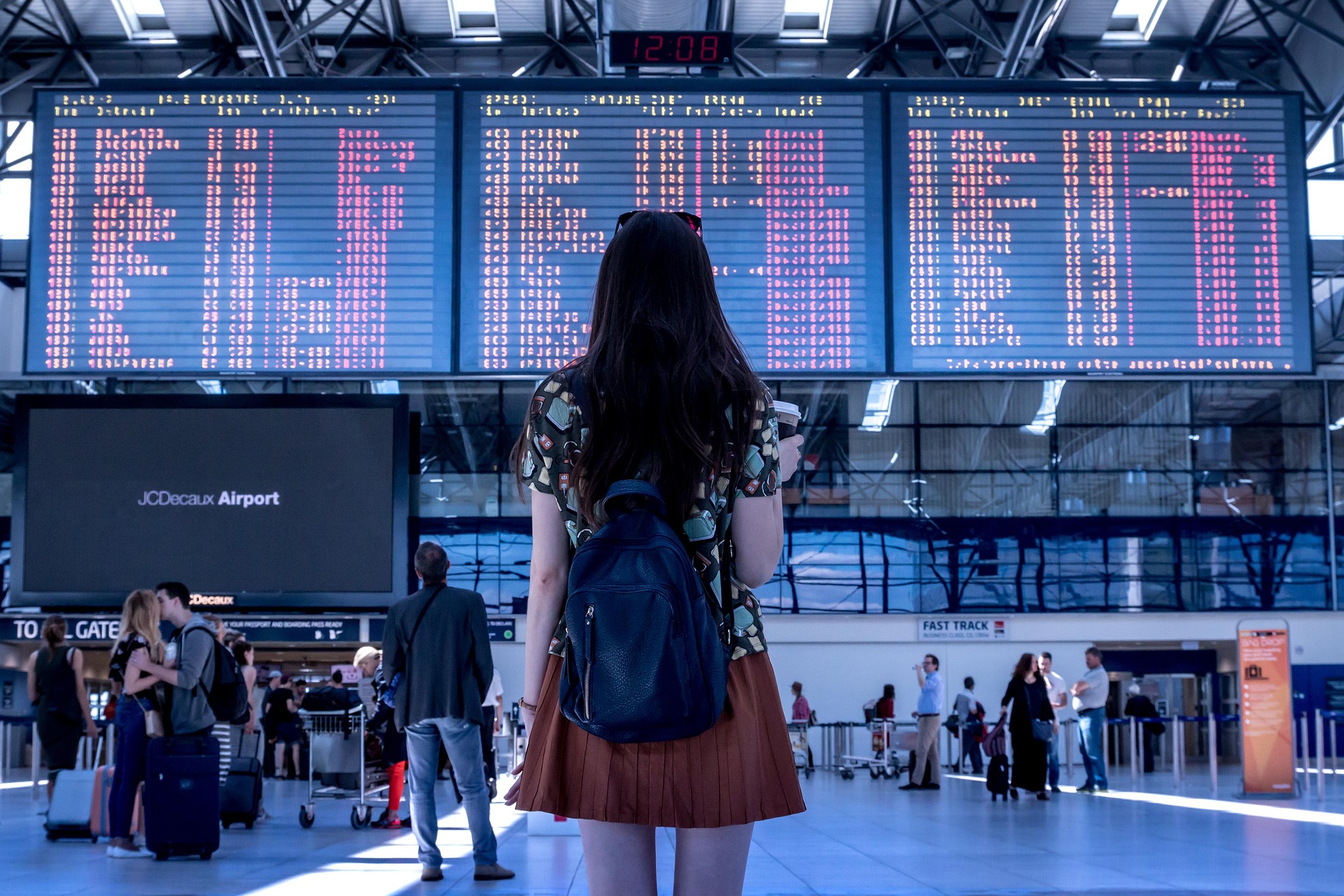
Travellers across Europe are facing long queues and missed flights as the EU's new digital border system causes major delays at airports.
Passengers at airports across Europe are waiting for hours to get through passport control. The problem is caused by the EU's new Entry/Exit System (EES), a digital border system that replaced the old way of stamping passports.
The system, which became fully operational in April 2026, requires travellers from outside the EU to register their fingerprints and have their photo taken when they enter most European countries. This extra step has created major bottlenecks at airports.
Queues Reaching Five Hours
At some airports, waiting times have become extreme. The Airports Council International (ACI) reports that queues at border control have reached up to five hours during peak travel times.
At Frankfurt Airport, average waiting times doubled to 120 minutes in July 2026, compared to just 60 minutes the year before. Munich Airport saw waits rise from 31 minutes to 60 minutes. Amsterdam's Schiphol Airport also saw maximum waits increase to 120 minutes.
Airports in Lisbon, Madrid and Athens have been named as "particularly bad" for EES queues. Other hotspots include Tenerife, Palma, Alicante, Malaga, Milan Bergamo, Krakow and Paris Beauvais.
Passengers Missing Flights
The long waits have caused real problems for travellers. Some passengers have missed their flights home because they were stuck in queues.
In April, passengers flying from Milan to Manchester were left behind due to passport control problems. In June, a mother and her 13-year-old son missed their flight home from Rome, even though they arrived at the airport three-and-a-half hours early.
An EasyJet passenger described the situation as a "nightmare". Wizz Air is now advising British holidaymakers to arrive at European airports three hours before their flight home departs.
Airlines and Airports Speak Out
Aviation groups have strongly criticised the new system.
Ryanair's chief operations officer, Neal McMahon, called the EU's handling of the EES "a shambles from start to finish". He said airlines and airports had warned Brussels the rollout was not ready, but "those warnings were ignored".
Stefan Schulte, president of ACI Europe, told an industry event that politicians should "stop pretending that EES is working just fine. It is not".
Even European Commission President Ursula von der Leyen has admitted there are "technical problems" with the system.
What Is the EES?
The Entry/Exit System is designed to make Europe's borders more secure. It replaces passport stamps with a digital record that tracks who enters and leaves the Schengen Area. The system is meant to catch travellers who stay longer than the allowed 90 days.
The EU says registering takes only about 70 seconds. But in practice, the system has caused major delays, especially when several large flights arrive at the same time.
What Happens Next?
Until recently, EU countries were allowed to pause the system temporarily when queues got too long. But that flexibility ended on Sunday, September 6.
Airlines and airports are now calling on the EU to restore the pause option until at least April 2027. They warn that without this flexibility, the situation could become even worse.
Meanwhile, travellers are being told to plan ahead, allow extra time, and stay updated on queue conditions before heading to the airport.