Education
Finland’s PISA Results Hit New Low
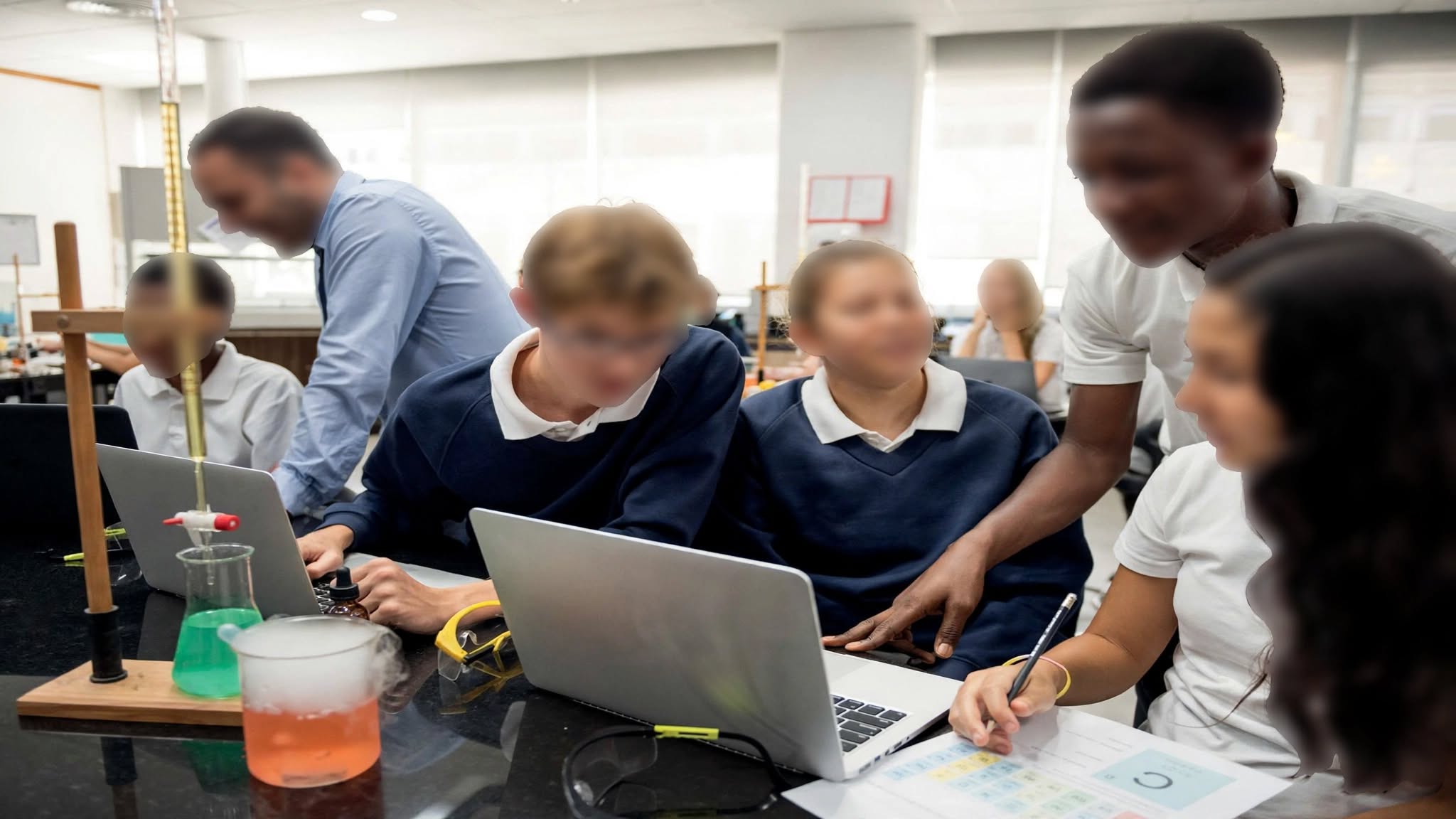
HELSINKI — Finland's 15-year-old students have once again scored lower in reading, mathematics, and science on the latest PISA assessment, continuing a decline that has lasted for many years. Despite the drop, Finnish students still performed above the OECD average in all three subjects.
The 2025 Programme for International Student Assessment (PISA) tested over 760,000 students across 91 countries. In Finland, 7,668 students from 235 schools took part.
Reading scores saw one of the biggest drops. Finland's average reading score fell to 474 points — down 16 points from 2022. The country now ranks joint 17th with Italy. More than one in four Finnish students now perform below the basic level in reading. Among boys, that number is about one in three. The long-term drop is even starker: in 2006, Finland's reading score was 546 points, and only 7 per cent of students were weak readers.
Mathematics results also weakened. Finland ranked around 22nd to 23rd, staying slightly above the OECD average. Nearly one in three Finnish students now fall into the low-performing group in maths. The share of top-performing maths students has also fallen sharply. In 2003, more than 23 per cent reached the highest levels. In 2025, that figure was just 7 per cent — below the OECD average.
Science remained Finland's strongest subject. Finnish students scored 504 points, down from 511 in 2022, and ranked 12th. Finland was the highest-performing Nordic country in science.
Estonia outperformed Finland in several areas, while East Asian countries and regions — including Singapore, Japan, and South Korea — took many of the top positions.
The OECD said learning outcomes have either stalled or declined in many countries since the large drop in 2022. Across OECD members, maths scores fell by 22 points between 2015 and 2025, while reading scores dropped by 28 points.
Another concern: Only 41 per cent of Finnish students said they try harder when schoolwork becomes difficult — the lowest share among all countries compared. However, Finnish students still reported high confidence in their own abilities.
The 2025 assessment also looked at digital learning. Finnish students performed above the OECD average in that area. The OECD said moderate use of digital tools for learning was linked with stronger science results, while too much use and classroom distraction were linked with weaker performance.
Finland also took part for the first time in an optional assessment of English as a foreign language. Those results are expected in spring 2027.