History
Medieval Megacities: The Surprising Giants of the Middle Ages
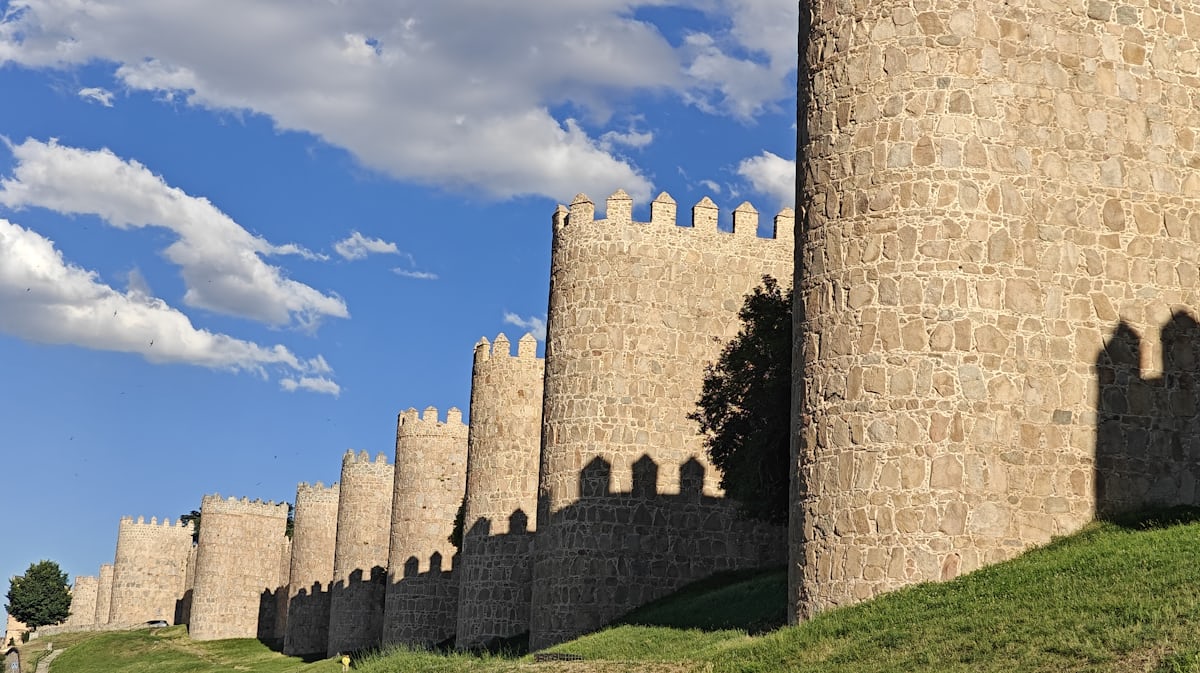
When you think of the Middle Ages, you probably picture small villages, muddy roads, and dark castles. But the truth is very different.
Across Europe, Asia, and the Americas, huge medieval cities thrived with populations of up to one million people. These ancient megacities had paved roads, public hospitals, clean water systems, and busy markets.
Here are ten of the largest cities from the medieval world:
1. Angkor, Cambodia – The Jungle Megacity
In AD 1100, Angkor was the largest city in the world. It covered over 1,000 square kilometers and was home to about one million people. The city had roads as wide as airplane runways, canals, rice farms, and the world's largest hand-cut water reservoir. Today, only the famous Angkor Wat temple remains.
2. Baghdad, Iraq – The Round City
Built in AD 762, Baghdad was the capital of the Abbasid Caliphate. By the 800s, about one million people lived there. The city had aqueducts, sewage systems, public gardens, and wide avenues 60 feet across. Two major attacks in 1258 and 1401 caused its decline.
3. Gangaikonda Cholapuram, India – City of the Ganges Conqueror
Founded in 1025 by Emperor Rajendra Chola I, this southern Indian city was built according to sacred texts. At its heart stood the magnificent Brihadeeswarar Temple. The city grew to about one million people before declining with the dynasty.
4. Constantinople, Turkey – The City on Two Continents
Founded in AD 330, Constantinople sat between Europe and Asia. It was the capital of the Roman, Byzantine, and Ottoman empires. With about one million people, it was a major trade hub where merchants from all over the world came to do business. Today it is known as Istanbul.
5. Cairo, Egypt – City of a Thousand Minarets
Built in AD 969, Cairo was the Fatimid Dynasty's capital. It earned its nickname from having over 1,000 mosques. These mosques served as schools, hospitals, and community centers. Sitting at the crossroads of European, African, and Asian trade, Cairo became one of the wealthiest medieval cities.
6. Hangzhou, China – The Finest City in the World
In the 12th century, Hangzhou had at least one million people. Located at the end of the Grand Canal and on the Silk Road, it was a thriving trading city. Traveler Marco Polo called it "without a doubt the finest and most splendid city in the world".
7. Kaifeng, China – The Printing Hub
Kaifeng peaked with about one million people during the Northern Song Dynasty (960–1127). Its position on the Yellow River and Grand Canal made it a major trade center. The city attracted scholars and became an early hub for the printing industry.
8. Paris, France – From Small Town to Big City
In the 10th century, Paris was just a small provincial city. But when the Capetian kings made it their capital, it grew into a center of religion, education, and commerce. By 1328, the population was between 210,000 and 270,000.
9. Tenochtitlan, Mexico – The Floating City
Built on an island in Lake Texcoco, Tenochtitlan was the capital of the Aztec Empire. With about 200,000 people, it had royal palaces, temples, markets, and even zoos and botanical gardens. When Spanish conquerors arrived, they found a city rivaled in size only by Paris or Venice.
10. Venice, Italy – The Maritime Power
Venice began as a refuge for people fleeing the fall of the Western Roman Empire. Its location on the Mediterranean Sea made it a great trading power. Venice became a center of art, architecture, and publishing during the Middle Ages.
While many of these great cities eventually fell to war, plague, or conquest, their cultural and architectural legacies shaped the world we live in today.