Economy
Italy Proposes No Fees for Small Digital Euro Payments Under €10
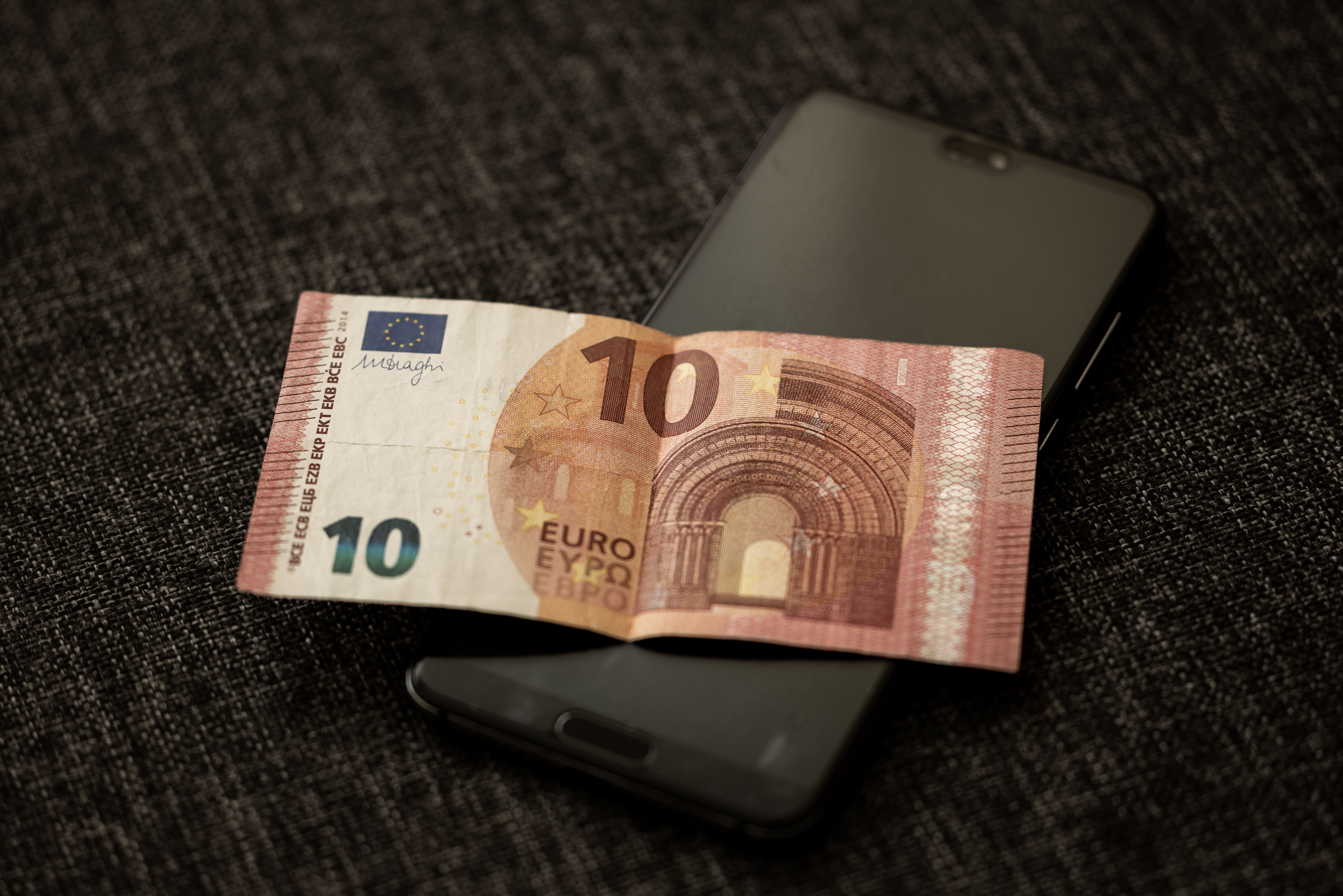
Italy wants to make small digital euro payments free for shops, as European Union officials negotiate the final rules for the new currency.
Italy has proposed that digital euro payments under €10 should have no fees for merchants. The plan is designed to help small businesses, according to sources and documents seen by Euronews.
The digital euro is a new digital form of cash being developed by the European Central Bank (ECB). It is expected to launch around 2029 if the necessary laws are passed this year.
How the Fee Plan Would Work
Under Italy's proposal, shops would pay a maximum fee of just €0.02 for small transactions. An EU diplomat told Euronews that negotiators are also open to making it completely free: "The proposal is a merchant service charge cap up to €0.02 for low value transactions, applicable especially to small merchants. But we're open to consider a net zero, as de facto this would be the result anyway".
The fee scheme would be temporary. This would allow the ECB to gather data before deciding on a permanent model.
Why Small Shops Need Help
Small merchants often pay much higher fees than big companies. According to an ECB analysis, small shops can pay three to four times more in fees than larger merchants because they have less power to negotiate with payment companies like Visa and Mastercard.
In Italy, card payment fees average around 0.57% per transaction, or about €0.28. For a small shop processing many small purchases every day, these costs add up quickly.
Italian Economy Minister Giancarlo Giorgetti has argued that accepting digital euros should cost merchants less than what they currently pay for card transactions. The Bank of Italy is also studying fee caps based on a "no worse off" principle — meaning merchants should never pay more to accept digital euros than they do for existing payment methods.
Backed by the Central Banking Community
The proposal has support from the central banking community, especially the ECB, according to a source from the banking sector.
Forza Italia MEPs have gone even further. They have proposed amendments that would eliminate merchant fees entirely on low-value retail transactions for a three-year period after launch.
Offline digital euro payments — where two devices exchange money without an internet connection — might also be completely fee-free.
The Bigger Picture
The digital euro is part of the EU's push for greater independence in payments. Europe currently relies heavily on US-based payment schemes like Visa and Mastercard.
The digital euro will have legal tender status, meaning merchants will generally be required to accept it. However, there may be exceptions for small merchants that only accept cash.
The fee distribution model, known as the "compensation model," is one of the most difficult parts of the negotiations in Brussels. Lawmakers are also discussing "holding limits" — the maximum amount of digital euro that can be held in a wallet.
What Happens Next
Negotiators from EU member states, the European Parliament, and the European Commission will meet again in Brussels on Thursday, 10 September, to continue discussions.
The digital euro project is still in development. The ECB has estimated setup costs at about €1.3 billion, with annual operating costs of around €320 million starting from roughly 2029.
Italy's proposal is seen as a way to make the digital euro more acceptable to small businesses, which form the backbone of Europe's economy.