Economy
Electricity Prices to Reach Unusually High Levels Today
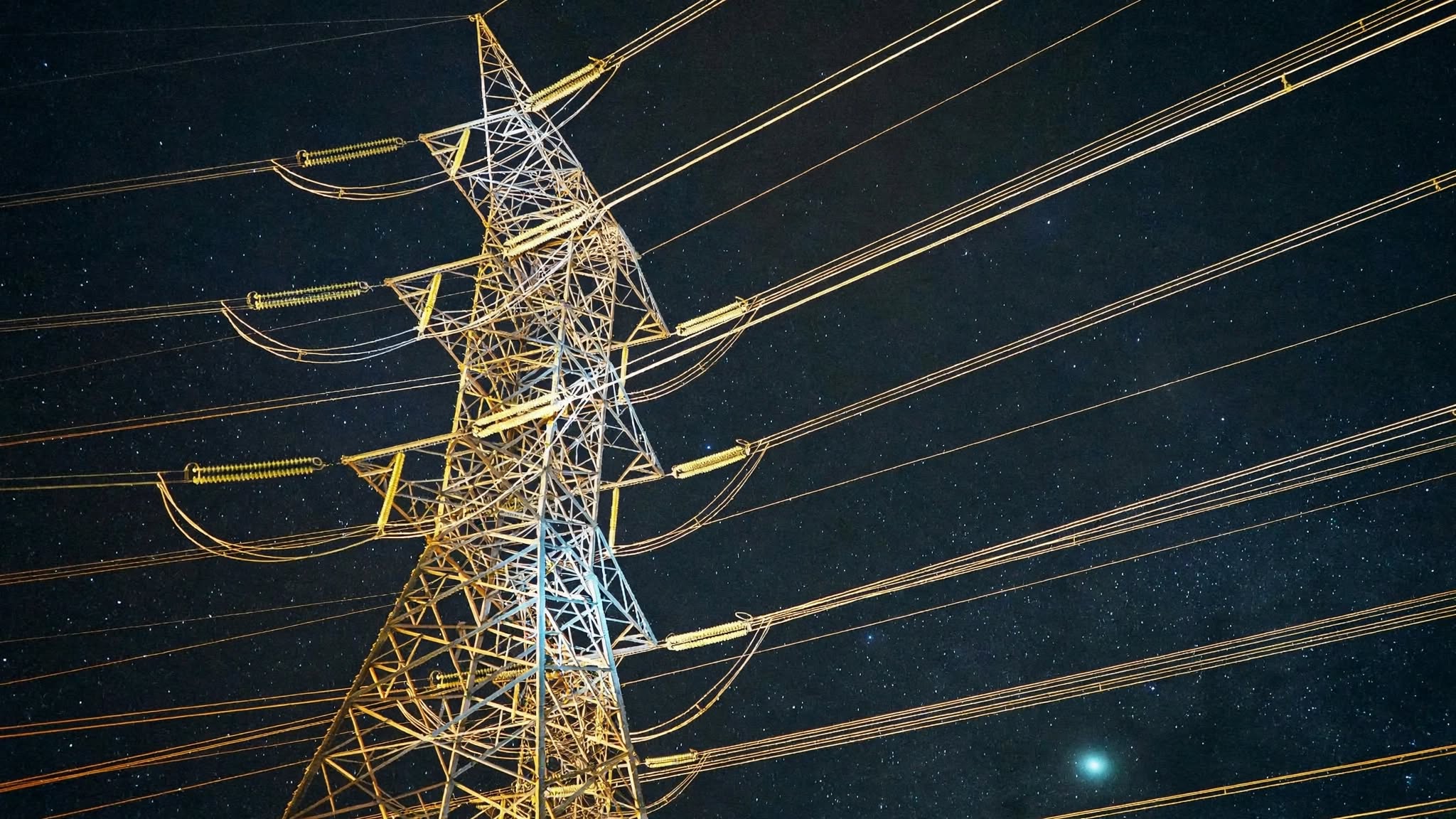
Helsinki – Electricity prices in Finland will rise to exceptionally high levels on Tuesday, according to data from the Nord Pool electricity exchange. The daily average price is expected to reach 17.06 cents per kilowatt-hour, a sharp increase from Monday's average of just 5.03 cents.
The most expensive hour will be at 5 p.m., when the price is forecast to hit 77 cents per kilowatt-hour. Prices will remain above 60 cents per kilowatt-hour for several other hours during the day. In the morning, the price will climb quickly. Between 7 a.m. and 8 a.m., the hourly average will be 16.35 cents. It will rise to 21.33 cents between 8 a.m. and 9 a.m., and reach 24.26 cents between 9 a.m. and 10 a.m..
Prices will drop slightly around midday but will rise again in the early evening. Between 6 p.m. and 7 p.m., electricity will cost an average of 27.46 cents per kilowatt-hour. Rates are expected to stay above 30 cents per kilowatt-hour until 10 p.m., after which they will fall below 20 cents.
Why Are Prices So High?
The high prices are caused by a combination of cold weather and low wind power production. Finland is currently experiencing a cold snap, which increases electricity consumption for heating. At the same time, wind turbines are producing very little power because the cold, still air has caused ice to build up on turbine blades. This reduces the supply of electricity at a time when demand is very high.
Estonia is also facing high electricity prices and shortages, which adds pressure to the Finnish market.
What Can Consumers Do?
People who have spot-price electricity contracts will feel the impact most directly. They are advised to avoid using major appliances, such as saunas, washing machines, and electric car chargers, during the most expensive hours. The cheapest hours on Tuesday are likely to be late at night and in the early hours of the morning.
Minister of the Environment and Climate Change Sari Multala has said that the current situation does not yet meet the requirements for a price cap, which would need an exceptional and long-lasting price crisis.