Policy & Updates
US Suspends Green Card Sponsorship at Major Tech Firms
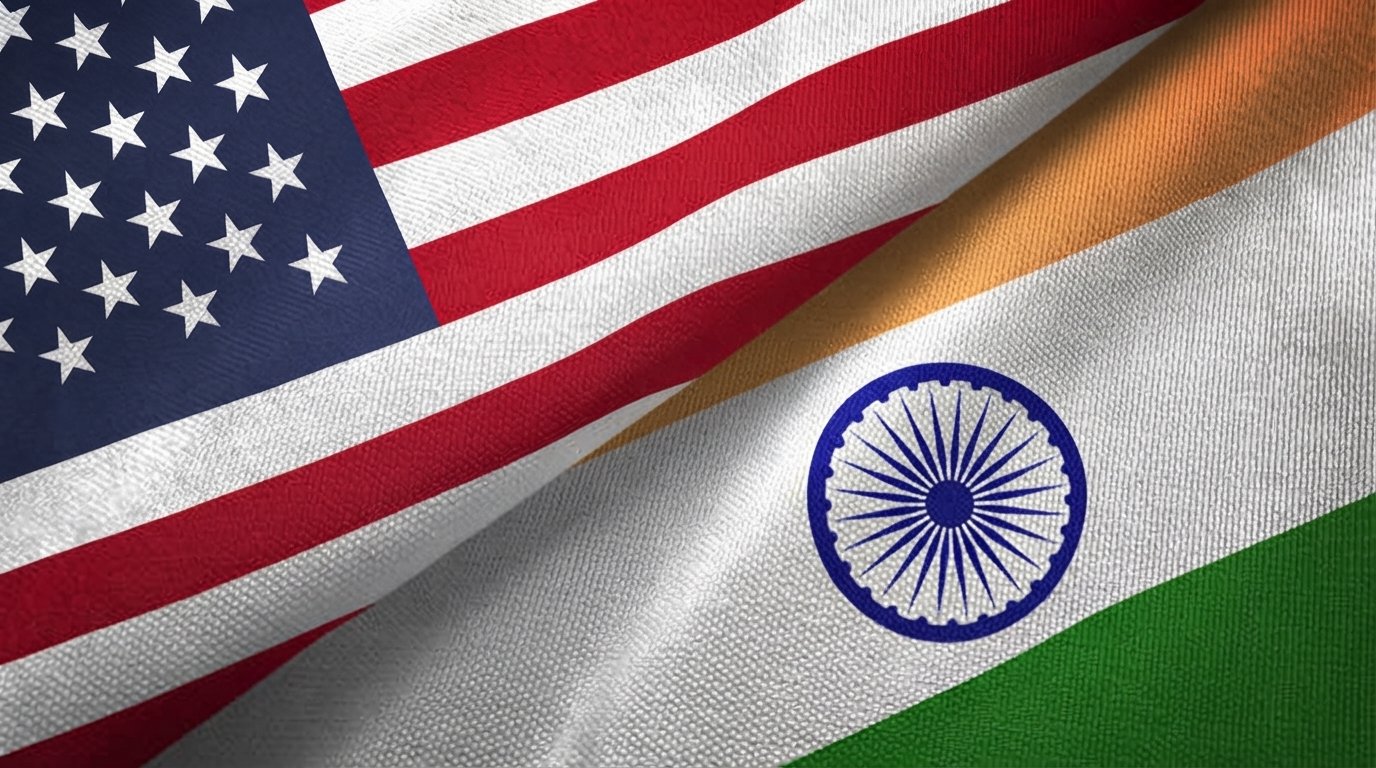
The Trump administration has suspended eight major technology companies from the US employment-based green card certification programme, raising concerns for foreign professionals seeking permanent residency.
The United States has suspended several major technology companies from a federal programme used to sponsor foreign employees for permanent residency, creating uncertainty for Indian IT professionals working in the country.
The companies affected include Microsoft, Adobe, Cognizant, Infosys, Tata Consultancy Services (TCS), Wipro, HCL Technologies and Capgemini, according to reports published on October 8 and 9.
US officials say the action follows concerns about alleged misuse of employment-based immigration programmes and whether foreign recruitment practices have disadvantaged American workers. The suspensions were announced by Vice President JD Vance and Labor Secretary Keith Sonderling.
The move forms part of the Trump administration’s broader efforts to tighten employment-based immigration rules and increase scrutiny of employers hiring foreign professionals.
What is the PERM programme?
The suspensions concern the Permanent Labor Certification programme, commonly known as PERM. It is an important step in many employer-sponsored employment-based green card applications.
Under the process, employers generally must demonstrate that there are no qualified, available US workers for the relevant position under the programme’s requirements and that employing a foreign worker will not adversely affect the wages and working conditions of similarly employed US workers.
After labour certification is approved, eligible applicants can proceed with the relevant employment-based immigrant petition and subsequent green card steps.
The suspension therefore affects a pathway to permanent residency. It does not mean that every employee of the affected companies has lost immigration status.
Why Indian IT workers could be affected
Indian technology companies have a substantial presence in the US and employ professionals in software development, consulting, engineering and other specialist roles.
For some Indian employees, employer sponsorship through PERM is an important route towards permanent residency. If their employer cannot submit or process applications through the programme, their plans to obtain a green card could be delayed or disrupted.
The precise impact will depend on individual immigration circumstances, the status of existing applications and any further instructions from US authorities.
Does this mean workers will be deported?
No. The suspension does not automatically cancel existing green cards or H-1B work visas.
H-1B status allows eligible foreign professionals to work temporarily in the United States, while a green card provides permanent resident status. These are different immigration arrangements.
However, the disruption could create difficulties for some employees whose longer-term immigration plans depend on employer-sponsored permanent residency. Anyone approaching the end of their authorised stay should seek advice from a qualified US immigration lawyer rather than assume that a pending green card application guarantees continued lawful status.
Indian IT industry faces fresh uncertainty
The decision has raised concerns about the long-term implications for technology employers that recruit international talent.
However, the immediate business impact may be limited. Reuters reported on October 9 that analysts expected little near-term disruption for major Indian IT companies, partly because the industry has reduced its reliance on some employment-based immigration routes and expanded local hiring in the United States.
TCS also indicated that it did not expect the suspension to affect its workforce strategy or client engagements, citing its limited use of PERM applications in recent years.
The longer-term consequences remain uncertain. Restrictions on permanent residency sponsorship could affect employee retention, recruitment decisions and the willingness of international professionals to build long-term careers in the United States.
What happens next?
The affected companies and their employees will be watching for further information from US authorities about the scope of the suspensions, the handling of pending cases and the conditions under which access to the programme might be restored.
For Indian professionals, the key issue is whether the restrictions remain in place and how they affect individual applications. The announcement should not be interpreted as a blanket deportation order or a cancellation of all work visas held by employees of the affected companies.
What happens next?
- https://flag.dol.gov/processingtimes
- https://www.ndtv.com/world-news/indian-it-firms-suspended-from-us-programme-sponsoring-workers-for-green-card-12158246?pfrom=home-ndtv_topscroll_Imagetopscroll
- https://www.reuters.com/world/india/tcs-sees-no-impact-us-green-card-programme-suspension-workforce-strategy-2026-10-09/
- https://indianexpress.com/article/explained/explained-global/us-perm-suspension-indian-it-firms-green-card-workers-explained-10913011/
- https://www.channelnewsasia.com/business/us-trump-green-card-freeze-microsoft-it-firms-universities-6443266